News
Nicholas Lanier (1954-2019)
Nicholas Lanier, who ran this website over the years with great passion and expertise, suddenly passed away on March 26, 2019. Chess Collectors International deeply regrets the loss of one of its most dedicated members. In collaboration with the Swiss Museum of Games, we will make sure that Nicholas' website continues to be maintained in his honour as an important source of information.
Michael Wiltshire, president CCI Dr. Thomas Thomsen, former president CCI Gero Jung Prof.tit. Dr. Ulrich Schädler, Director of the Swiss Museum of Games |
Budapest Chess Museum with new website
7.3. - The Budapest Chess Museum has uploaded a new well designed website, which is well worth visiting. Especaily interesting is the prolific section on Hungarian chess clocks. The Museum also shows a large number of memorabilia, photos, chess sets and art work referring to chess.The Museum is private and run by Tamas Schenker - when in Budapest, nobody should miss visiting it - on appointment !
80 years US Chess
New Show in World Chess Hall of fame
7.3. - A new show is opening at the World Chess Hall of Fame, which will document the history of organized chess in the USA. This show follows exactly 80 years after the Foundation of the USCF, so hopefully documents and photos will abound.
Mikhail Tal's chess set for sale
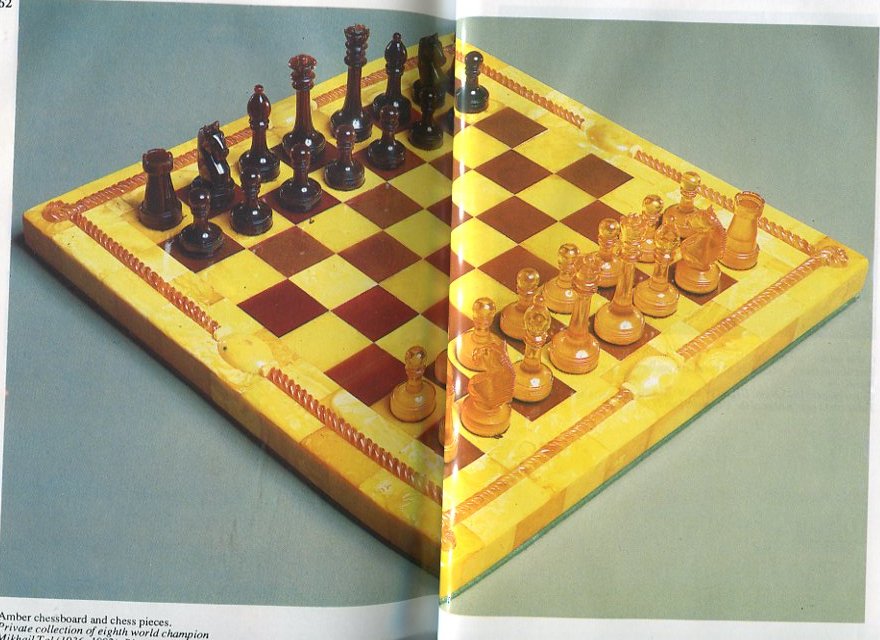
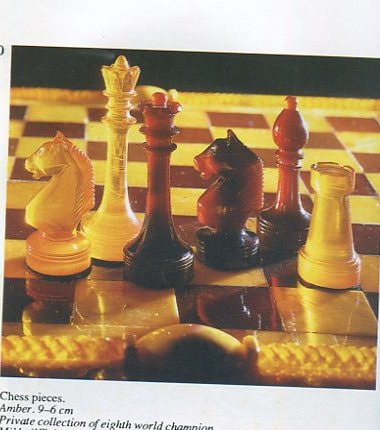
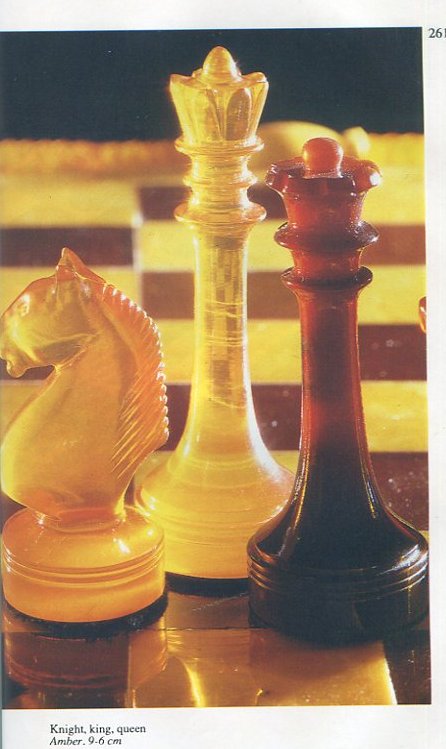
is . 22.12. - Mikhail Tal's amber chess set is for sale for the modest sum of Euro 95.000.- (USD 108.362.- or gbp 85.721.- ) - via the Russian Chess House Moscow. This set, more or less in the Russian style of competiton sets, turned and carved in massive amber. According to Murad Amannazarow it was presented to Tal by Latvian party boss Arvid Pelshe in 1960, after winning the World Championship from Botvinnik, The set, still owned by Tal's heirs, figures in various books, among them Isaac Linder's "The Art of Chess Pieces".
Russian Chess House Auction started on ebay
ending between Dec. 6 and 8
1.12. - The Russian Chess House Moscow is staging its 18th major auction on ebay this week, with 415 lots involving chess books, chess magazines, chess sets, memorabilia, historic photos etc.- the lots will end between Dec. 6 and 8, so plenty of time to take a peek. According to owner/manager Murad Amannazarow, the highlights are a full amber chess set, starting at USD 8.900.- , a unique porcelain set starting at USD 2.000.- from the Dulevo manufactory of which only three exist!, "Strategie raisonnée des fins de partie " by Durand/Preti from 1872, starting at USD 170.- , St. Petersburg 1909 in russian by Lasker/Maljutin , starting at USD 405.- and game notations by Karpov, Korchnoi, Stein, Petrosian, Bronstein and others.
Report on the GErman CCI meeting - Seiffen 2018
21.11. - Barely a month after the event, the report on the german CCI meeting in October in Seiffen, Saxonia, is on line....
Emanuel Lasker - a new & massive biography
in english & three volumes

20.11. - The first of three weighty tomes on World Champion Emanuel Lasker's life and activities was published in mid October by german publishers Exzelsior - in english language! Details under New and interesting books....
Schärer - Zimmermann - an illustrated postal chess game
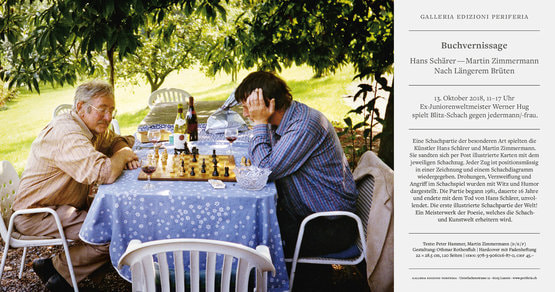
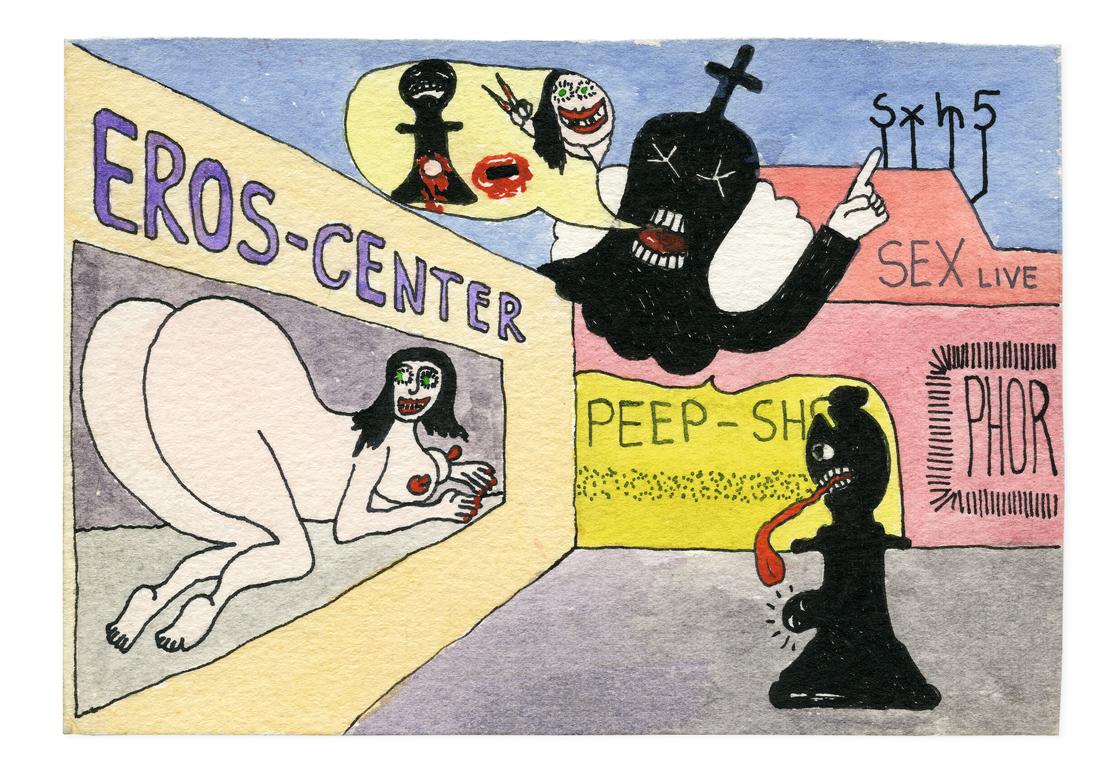
19.1. - A highly attractive recent book celebrates the 16 year long postal game between swiss artists Hans Schärer and Martin Zimmermann Zimmermann thorugh the illustrated postcards they sent each other with the moves - details under New and Interesting books)
Chess sets from the ERzgebirge
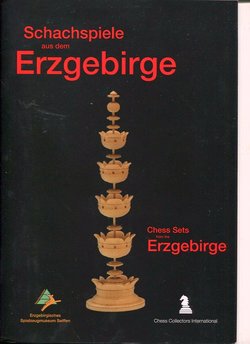
19.11. - A highly comprehensive catalogue on chess sets from the Erzgebirge has been published parallel to the running show on these chessmen (see Exhibitions and Shows) - details under New and interesting books ....
Last Call ....

10.11. - ... for bids on the rare chess books offered in the fall auction of the Lund Chess Academy - and ending today at 18h00 GMT approximately. Top offers seem to be among 70 ! tournament books, a signed copy of Max Euwe's book on the 1948 AVRO WC tournament in dutch language, a signed copy of Haag 1921 by Bernhard Kagan, and a Schachalmanach (Berlin 1846) signed by J.G. Schultz, co-founder of Sweden's oldest chess club, the Stockholm Chess Society. Also interesting : Fred Wilson's Picture History of Chess, and Jerzy Gizycky's amusing History of chess, as well as William Henry Lyons' Bibliography No.10 of chess books, and a letter by Aaron Nimzowitsch, in danish language - which is already hitting the sky at Euro 1.101.- !!!
The Academy is run by chess book collectors Per Skjoldager and Calle Erlandsson, the proceeds from these auctions support the extensive chess school activities of the Lund Chess Club, second oldest chess club in the country.
The Academy is run by chess book collectors Per Skjoldager and Calle Erlandsson, the proceeds from these auctions support the extensive chess school activities of the Lund Chess Club, second oldest chess club in the country.
The chess Museum in Sicily - a Photo visit
4.11. - CCI-member Rodolfo Pozzi has visited the Chess Museum in Mazara delle Valle south of Trapani in Sicily - and has published a short text and excellent photos on the website of the Italian CCI section. Rodolfo's visit is in Italian, but well understandable, especially thanks to the sharp photos - the Museum site itself is still in an embryonic stage....check out the many other contributions of CCI members on the web site, an impressive collective effort - some of the articles are in english!
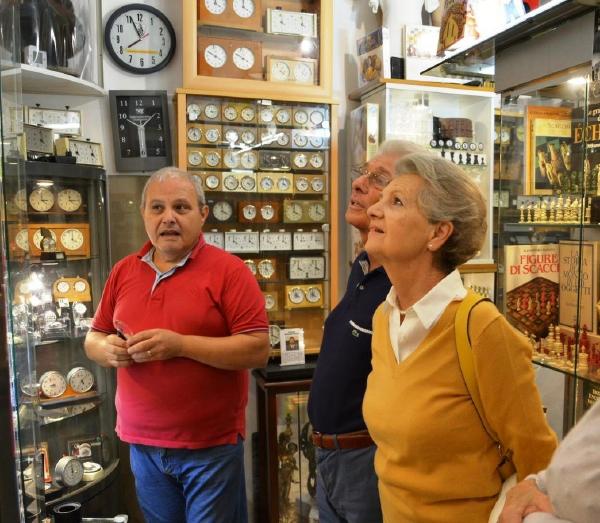
Museum founder Antonino Profera, explaining the layout to Rodolfo and Milly Pozzi
New Books from "the Chess Player"
10.10. - Anthony Gillam , editor of the long running chess edition "The Chess Player" in Nottingham, has published two new books - one on Forgotten Tournaments of 1905 and 1906, and another one one the forays of British players Mackenzie and Mason to the USA in 1871 and 1872 - see under New and Interesting Books ...
Russian Chess House auction starts on ebay
16.8. - The Russian Chess House of Moscow is running its already 17th major grouped auction on ebay this week, with close to 400 objects. Chess Books and Magazines in Russian - and in western languages, photos, mementos and autographs, as well as several chess sets. The highlights should be a fairly rare Baranovka porcelain chess from the 1970ies set offered at modest USD 1.750.- - the Museum has one, see here. The items offered will end at various times on August 23 - 24, so check it out before that.
Chess in Portugal
A New book on the early 20th century chess life in Lisbon and Porto
7.7. - A new book by the incipient chess edition Marmita de Gigante sheds light on the development of chess in Portugal - details under New and Interesting books....
Problems from the box
an entertaining anthology by Werner Keym / Nightrider Unlimited Editions
5.6. - Riddle stories in the tradition of Sam Loyd and Raymond Smullyan, funny and odd chess problems, of the most diverse kind - this is the gist of "Problems out of the Box" , a new book published in Germany in english - details under New and Interesting Books
CCI GErmany meeting scheduled for Oct.25 - 28
23.5. - According to "well-informed sources", the German section CCI meeting will take place from Oct. 25 - 28 in Seiffen in the Erzgebirge, south of Leipzig. Details to follow....
New name, new game for the Ken Whyld Association
21.5. - The Ken Whyld Association (KWA) has metamorphosed into a new life by renaming itself Chess History & Literature Society - and completely refurbishing its former website as well, although retaining the old web address. This is the second name change since the beginning of the group - in honour of chess historian Ken Whyld, it started out as the KWA of Book Collectors - and the new name clearly marks the renewed emphasis on chess history. We hope the new dressings will imbue the group with renewed fulgor and acumen, and await new books by members, new initiatives and surprises galore....
Lost treasures uncovered
forgotten Tournaments from 1921, 1922 and 1935
20.5. Tony Gillam has published two more booklets in his "Lost and Forgotten Tournaments Series" - see New and Interesting Books
Cyclopes, elephants and rooks
The invention of the chess rook as tower
19.5. - A little known and highly intriguing essay by Hans Holländer - basically about the mutation of the chess rook into a tower - has been uploaded today - under Cyclopes, Elephants....
A Chess Museum in Ankara
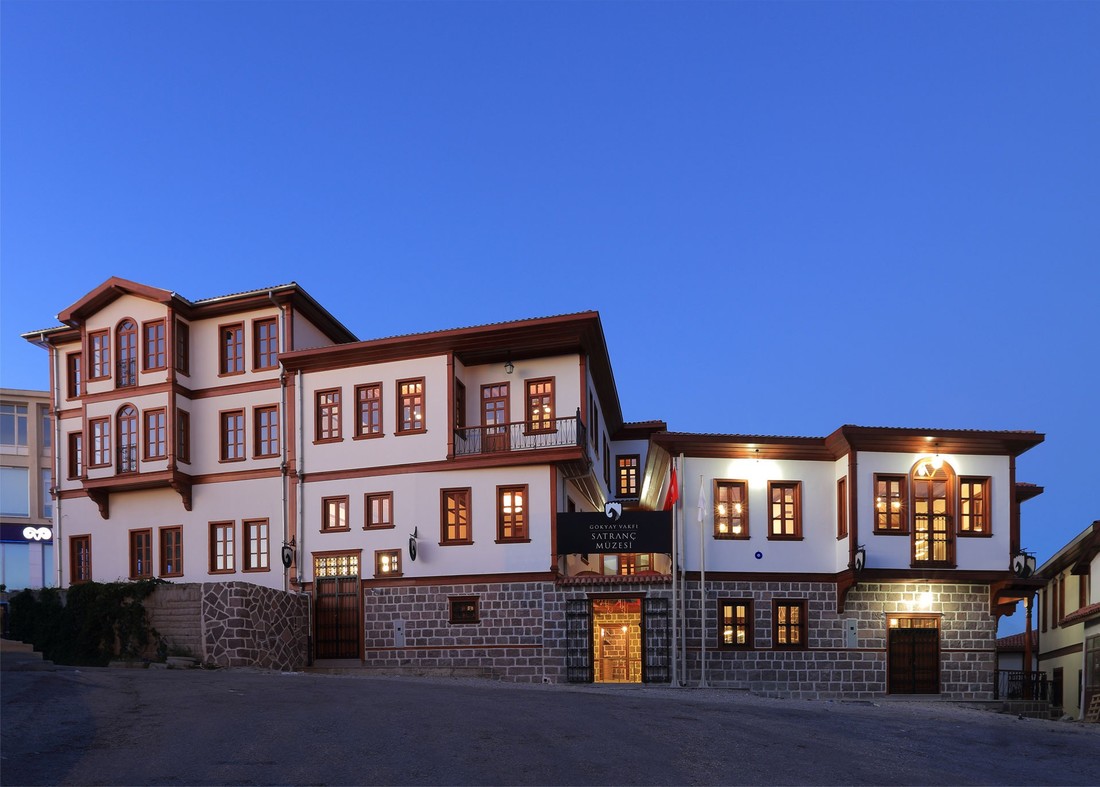
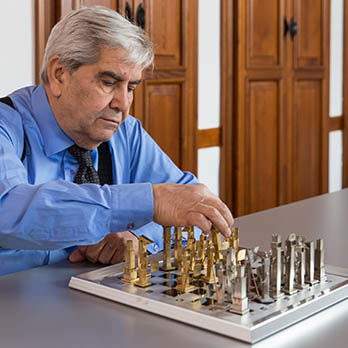
10.5. - A lovely old house in the old town district Altindag in Ankara, Turkey, houses the Akin Gökyay Chess Museum - with over 660 sets constantly shown and numerous side activities. This is not exactly news - chess fan and collector Akin Gökyay opened the Museum to the public as far back as 2013 - but better noted late than never, right? Go and see it when in Ankara....also check the Chess Museum list and add to it, puleeze?
Emperor Rudolf II - a grand collector
8.5. - Barbara Holländer's essay on the greatest collector of the baroque - Emperor Rudolf II - published under Rudolf II and the History...
The Czech Club Sets - an appraisal
7.5. A photo essay on the Czech Club Sets published ....and Agenda updated.
Report on CCI World Congress published
1.5. - Photo report on the 2018 CCI World Congress from the 18.4. - 22.4 - the 18th so far! - published - see Prague Report.
Medieval Chess and the elephant
26.4. - This year's new exhibit in the Stroebeck Chess Museum in Germany will be on Medieval Chess - and elephants cantering over the chess board and elsewhere - details under Exhibitions and Shows.
Russian Chess House on ebay
12.4.
The Russian Chess House in Moscow is launching another massive auction on ebay - the 16th ebay auction so far - due to end April 22 - details at Collectors News
The Russian Chess House in Moscow is launching another massive auction on ebay - the 16th ebay auction so far - due to end April 22 - details at Collectors News
Tournaments of 1909 and 1922
10.4. - Two new booklets on forgotten or undocumented tournaments of the 20th Century by untiring master researcher Anthony Gillam - details under New and interesting books
New Shows in the World Chess Hall of FAme
10.4. Three new exhibits will open April 12 in the St.Louis-based World Chess Hall of Fame - Details under Exhibitions and Shows
Rare and forgotten tournaments
New booklets from the Chess Player / Tony gillam
28.2. A new brochure by Tony Gillam contains games and tourneys from 1924, another one on 1921 will appear shortly. Details under New and interesting books..
Agenda 2018
14.2. - Agenda 2018 updated - please check. If You have an interesting date or item to announce, don't be shy and send details to the Museum....
New Kramnik bio published
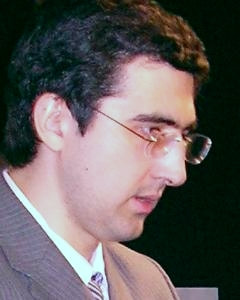 Kramnik 2007 - Photo Gerhard Hund/Wikipedia
12.2. A new biography of Ex-World Champion Wladimir Kramnik by his former manager Carsten Hensel has been published just now in german language. The well-made book retraces the last 20 years of Kramnik's career, with special emphasis on the the polemical matches, the split in World Chess, intrigues and back-scene negotiations. An english version is scheduled to appear briefly - details under New and interesting books....
Chess Motive collectors meeting - in May in Germany
12.2. - GSM - the German Chess Motive Collectors Organisation - is staging its annual collectors meeting in May this year - from the 9th to the 12th of May visitors will congregate at the Dürkopp Villa in Bad Salzuflen, Germany. Non-members are most welcome, but should reserve with the organisation - visitors so far are confirmed from Germany, the Netherlands, Romania, Luxemburg and Serbia. The mainstay of the meeting will be a daily collectors market, there will be chess blitz events in the evening, a chess movie will be shown, and other games with a chessic character are planned. GSM is possibly the second largest collectors group for chess worldwide , with some 150 members registered - many of whom are also members or close to Chess Collectors International
New set uploaded
11.1.2018 ... under Recent Entries - the Museum has been quiescent over the end of the Year, but not dormant....
Russian Chess House Auction on ebay
Books & Galore ending Dec. 16 - 19
13.12. - The Russian Chess House in Moscow is running a Christmas auction on ebay, involving as usual chess books in Russian and other languages, chess magazines, chess sets, signed score sheets, mementos, photos and stamps. Check details under Collectors News ....
Unknown tournaments of 1902, 1903 and 1905
Two new brochures from "ThE Chess Player"
12.12. Barely three weeks after the last editions, Tony Gillam has published two more brochures throwing some light on forgotten tournaments of the past .Tthis time around it is contests of 1902, 1903 and 1905 which Tony has managed to pull out of the twilight - Details under New and interesting books ....
Lost & Forgotten tournaments of 1920 and 1938
two new brochures by Anthony gillam / THE Chess Player
30.11. - Two new brochures by Anthony Gillam /The Chess Player bring to light unpublished or unfindable games form tournaments held in 1920 and 1938 - details under New and interesting books....
CCI World Congress Prague 2018 - Latest Update
24.11. - According to CCI President Michael Wiltshire the last pieces have been put into place for the CCI World Congress , to be held in Prague from April 18 - 22 2018. The simple package without hotel will amount to Euro 385.- (ca. USD 456.- going rate) - details under CCI World Congress Prague 2018 - Invitation (actualized) ....and
CCI World Congress Prague 2018 - provisional programme ...
CCI World Congress Prague 2018 - provisional programme ...
Chapais identified as Gaspar Monge
10.11. Herbert Bastian , recently deposed ex-president of the German Chess Federation , has made an intriguing discovery for chess history, ïn the course of his ongoing interest for the mysterious Chapais endgame manuscript . The pseudo Chapais - according to Bastian - stands for the great french mathematician Gaspar Monge, contemporary of Diderot , Alembert, Voltaire and Rousseau, and briefly adviser to Napoleon Bonaparte. French collector Jean Mennerat was the first to describe the manuscript in detail in a publication in 1992 - the single existing manuscript of the Chapais text today is part of the Heydebrand and von der Lasa library in Kornik, Poland. Bastian's find has been published in an extensive article in the October number of the German chess magazine Schach - a book about Chapais/Monge and the manuscript is in the works....
Chessmen from Venafro till tomorrow
a compact history of chess pieces by Franco Pratesi
9.11. - Veteran Chess historian Franco Pratesi has just published a compact history of chess pieces - their design, changing fashions and adaptations - from the European middle ages till today - and tomorrow. Details under New and interesting books....
Lund Chess Book Auction ending Nov. 10
9.8. - The current Lund Chess Academy Book auction with over 200 lots will end tomorrow , Nov. 10 - time to "make Your move", as the proponents Per Skjoldager und Calle Erlandsson like to put it. Books offered include complete runs of hstoric chess magazines, tournament books, biographies, memorabilia etc. - take a peek!
Man RAy chess set in ivory in auction
Nov. 30 at auctioneers Grisebach /Berlin
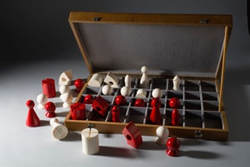
9.11. - A unique set of Man Ray's chess men in ivory will be auctioned in Berlin,Germany on November 30 by auction house Grisebach at their Orangerie premises. This set seems to have been a single piece, made by Man Ray (=Emmanuel Rudnitzky, born in Philadelphia)) as a gift for his wife Juliet. The fact that this one-of-a-kind work by a highly reputed US artist is put up for auction abroad is a direct outcome of the present legal interdiction of all commerce in ivory in the USA.....
GloBal Moves at the World Chess Hall of FAme
US Chess Teams at the Chess Olympaids from 1928 - till 2016
30.10. - A new show opens on November 10 at the WCHOF in St. Louis, celebrating the 2016 Olympic title conquered by the US Dream Team in Baku, Azerbaijan - details under Exhibition and shows ...
CCI world Congress 2018 in Prague definite
April 18 - 22 of 2018
26.10. - According to CCI World President Michael Wiltshire the 2018 CCI World Congress will take place from April 18 - 22 in Prague, Czech Republic. The Congress Hotel will be the Hotel Grandior, a skip away from the historical centre. Details so far available under CCI World Congress-Invitation detailed program to follow. The final cost of the package will probably be around Euro 800 -900.- or USD 900 - 1.200.-, based on the Hotel rates negotiated ....
A Chess Set artist in Pennsylvania
27.9. - David Sanfilippo makes one-of-a-kind chess sets in Reading, Pennsylvania - details under Collectors News.....
Moscow Chess House auction - some results
26.9. - Moscow Chess House owner Murad Amannazarow kindly has sentof some results of his recent massive ebay auction ended Sept. 12 - details under Collectors News....
Report on CCI German meeting published
8.9. - The report on the German CCI meeting at the end of July published today with some delay - the german version has been online since 13.8. ....
Moscow Chess House auction on ebay
ending Sept. 9 - 12
6.9. - One more massive auction offer by the Moscow Chess House - Russias largest chess antiquarian and shop - will end on ebay.com on Sept. 9 - 12. Details under Collectors News....
Forgotten tournaments of yesteryear
6.9. - Tony Gillam of The Chess Player has launched two new booklets of lost and forgotten games from touraments after World War I - No. 117 and 118 in his Series of Rare and unpublished tournaments and matches. Check details under New and interesting books....
Books by Cazaux/Knowlton, and Michael Ehn
4.9. New books involving chess history and chess culture have been published - one by authors Jean-Louis Cazaux and Rick Knowlton on he development of chess via variants and pieces, and another y Michael Ehn on Vienna Coffeehouse chess - details in New and Interesting books....
Breaking News: CCI World Congress 2018 to be in Prague?
4.8. - The recent CCI Germany meeting saw talks between CCI-President Mike Wiltshire, CCI Germany officials and Prague's flamboyant chess organizer Pavel Matocha - with the result , that in all likelihood the coming CCI WorldCongress 2018 will take place in Prague, Czech Republic, in April next year! This is great news - more will follow when we have certainties....it will interrupt the traditional biannual World Meetings being held alternately in the USA (where CCI was founded by George Dean and friends) or in Europe. as the last World Meeting took place in Paris in 2016.
...and more new books - from "The Chess Player"
25.7. Anthony Gillam is busily turning the handle of his chess history edition - barely a month after publishing two booklets on forgotten chess tournaments - 1917 and 127 - he has now launched a whole quartet of new imprints in one go - the Hamburg Olympics of 1930, a Paul Schmidt game collection, and forgotten tournaments of 1918 and 1919. Details under New and Interesting books....
New Books
13.7. - New books are arriving or have landed already: a biography in english of Grandmaster Paul
Schmidt from Estonia, contemporary and rival of the great Paul Keres,, and chess master turned Westinghouse chemist! Plus a comprehensive listing of all chess title owner between 1950 - 2016 by veteran chess autor Gino di Felice, announced for autumn by McFarland publishers - Details under New and Interesting Books ....
Schmidt from Estonia, contemporary and rival of the great Paul Keres,, and chess master turned Westinghouse chemist! Plus a comprehensive listing of all chess title owner between 1950 - 2016 by veteran chess autor Gino di Felice, announced for autumn by McFarland publishers - Details under New and Interesting Books ....
Portuguese problemists - - an anthology
22.6. - A smartly designed book celebrates Portuguese chess composers in historical perspective - over 50 of them assembled with at least one of their works - Details under New and interesting books
Snippets of Italian Chess Culture
15.6. - Roberto Cassano is co-author of a very interesting cicerone of Italy's main chessic sights, published in 2014. On his blog -congregating several chess bloggers! - he continues this vein - the latest instalment features the chess frescoes in the Arco Castle on Lake Garda - earlier pieces refer to the oldest chess society in Rome. In Italian language, but easily understood....
New Books on W. Pollock and forgotten Tournaments of 1917 /1927 published
15.6. - New books on several historic tournaments of the years 1917 and 1927 and anglo-irish master William Pollock published by "The Chess Player" and Mc Farland - see under New and interesting books.
Russian Chess House offers 400 + items on ebay
15.6. - The Russian Chess House Moscow (Murad Amannazarow) offers over 400 items oin ebay this week, to ende on June 19 - check it out here - Details under Collectors News.
Lund Chess Book auction to wrap up tomorrow June 10
9.6. - Another Lund chess book auction, announced belatedly, this time featuring 250 print items, will wrap up on June 10. Teh star offers appear to ben an 1876 bound edition of the "Österreichische Schachzeitung", an original editon of Duchamp/Halberstad'ts, Opposition et cases conjuguées, an 1823 signed edition of Guyot, Novelle Notation... (invovling a notation numbring the squares from 1 to 64), and Szekesfehervar 1907, a rarish tournament book . and finally Bier/Dimer/Lipke, Hamburg 1910.
End of an AfFair - or start of the next?
Last Jaeger ivory sets on the block at Waddington's June 14
7.6. - With overtones of " Final Sales" - the last 4 (ivory or bone) sets of one of the most fabulous chess set collections of our times will be auctioned off on July 14 at Waddingtons auction house in Toronto in the midst of their Decorative Art Sale. At th height of its glory, the Jaeger collection counted some 6.400 chess sets, whose pearls have been sold in blocks at Waddington's and elsewhere over the last few years. This is due to the proscription of ivory artwork, be it historic or contemporary, actually in force in the USA , but not in Canada.
Lot 91 is a nicely polychromed Rajasthan ivory set, lots 92 and 93 are 20th century bone Burmese sets, and lot 94 is an elaborately carved Congo ivory set from the 1960ies to 1970ies. Waddingtons are using the momentum and throwing in an Austin Cox Alcoa aluminium set - future chess sales at this auctioneer will most likely lack the brilliance and quality which the Jaeger largesse has provided for the last two or three years...
9.6. Postscript - José Zelaya from New York , owner of ZQ Art Gallery , informs that the 4 sets at Waddington's is not the "End of the Affair" concerning the selloff of the Jaeger collection - it is only the end of the ivory sets! In fact. Zelaya will sell another group of top Jaeger sets in online auctions - via Invaluable.com - starting June 24 - he has already managed a sizeable slice of the collection last December, most of which sold . Details will follow....
Lot 91 is a nicely polychromed Rajasthan ivory set, lots 92 and 93 are 20th century bone Burmese sets, and lot 94 is an elaborately carved Congo ivory set from the 1960ies to 1970ies. Waddingtons are using the momentum and throwing in an Austin Cox Alcoa aluminium set - future chess sales at this auctioneer will most likely lack the brilliance and quality which the Jaeger largesse has provided for the last two or three years...
9.6. Postscript - José Zelaya from New York , owner of ZQ Art Gallery , informs that the 4 sets at Waddington's is not the "End of the Affair" concerning the selloff of the Jaeger collection - it is only the end of the ivory sets! In fact. Zelaya will sell another group of top Jaeger sets in online auctions - via Invaluable.com - starting June 24 - he has already managed a sizeable slice of the collection last December, most of which sold . Details will follow....
Small fry published
6.6. - Short photo digression on Austrian travel sets published under Small Fry
Rare 1. French Edition of Gioachino greco for sale!
30.5. - An extremely rare 1.edition in French of Gioachino Greco's last manuscript in fine condition is for sale via the Chess Museum. Details and photo's in Collectors Exchange....
Staunton Chessmen from Brazil

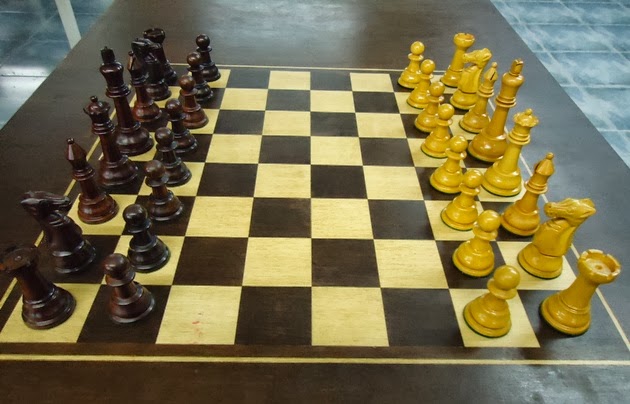
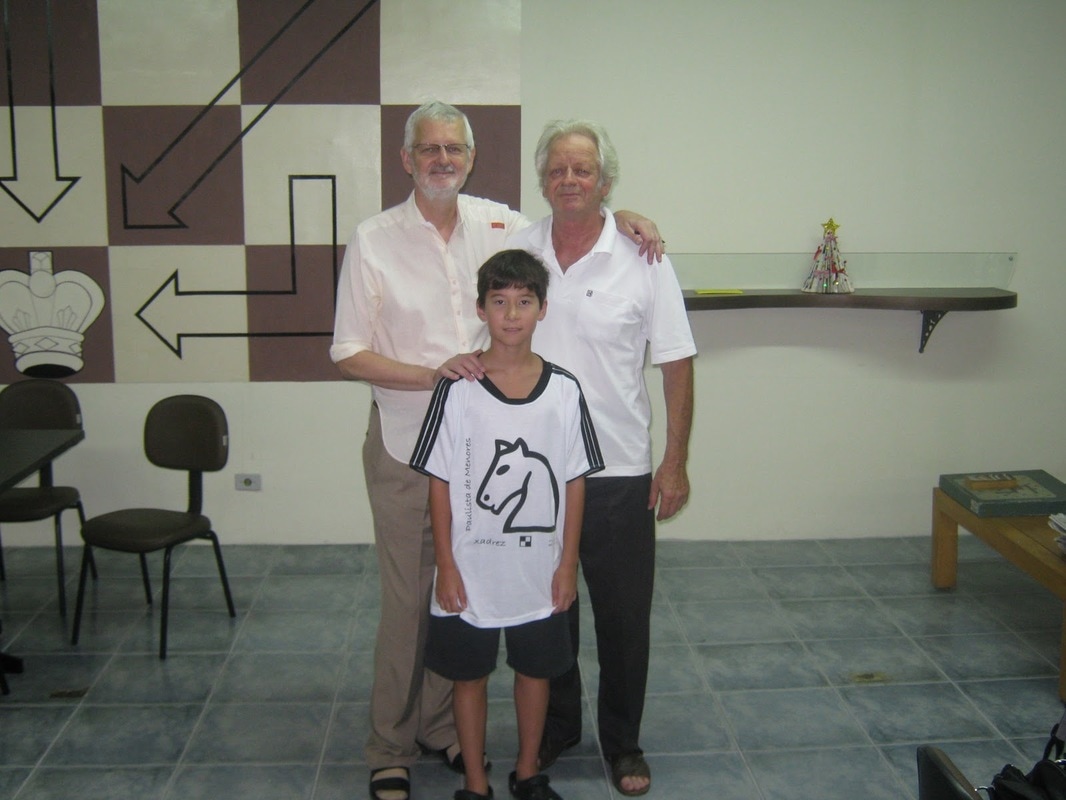
17.5. - For many years, Dirk Dagobert van Riemsdijk has been producing handcrafted Staunton chess men in Brazilian hardwood - which are widely used in championships and competitions in the country, despite being a lot dearer than the standard mass-produced chess pieces from India, let alone the plastic stuff in school and club use. As of recent, Dirk has set up a website to showcase the range of his chess games, which You can check out by clicking
here.
Dirk is the brother of multiple Brazilian champion IM Herman van Riemsdijk - both of them have cut a wide swath in Brazilian chess as players, authors, organizers, teachers and arbiters. At present , Dirk makes a standard set in ivorywood (pau marfim), and a more elaborate version, contained in a custom-made wood cassette, with the white side in ivorywood, and the black side either in imbuia or in jacaranda . All sets are uniformly made in St.8 size (kings of 10,4 cm height), which conforms to the old british "Club Size". Prices range from R800.- (USD 255.-) for the simplest "Bragança" set to R 4.000.- (USD 1.275.- ) for the "Amazonia" set featuring jacaranda wood - the pieces are complemented by a range of veneer boards and tables.
here.
Dirk is the brother of multiple Brazilian champion IM Herman van Riemsdijk - both of them have cut a wide swath in Brazilian chess as players, authors, organizers, teachers and arbiters. At present , Dirk makes a standard set in ivorywood (pau marfim), and a more elaborate version, contained in a custom-made wood cassette, with the white side in ivorywood, and the black side either in imbuia or in jacaranda . All sets are uniformly made in St.8 size (kings of 10,4 cm height), which conforms to the old british "Club Size". Prices range from R800.- (USD 255.-) for the simplest "Bragança" set to R 4.000.- (USD 1.275.- ) for the "Amazonia" set featuring jacaranda wood - the pieces are complemented by a range of veneer boards and tables.
chess historian Hans Holländer deceased
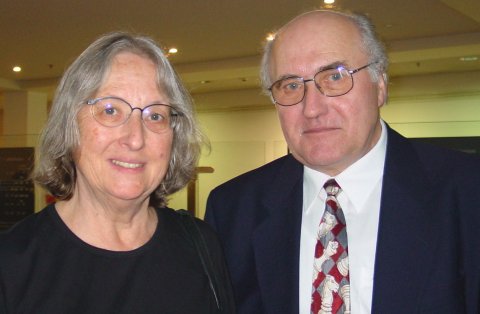 Barbara and Hans Holländer 2005 - Photo Lasker Society, Berlin
6.5. Hans Holländer
+ 28.4.2017
Hans Holländer, one of the most important chess historians of our times, has died in Berlin, Germany on April 28 at the age of 85. Holländer will be remembered chiefly for the lavish exhibits and sumptuous catalogues at the Chess Collectors International meetings in Vienna in 1998, and in Hamburg in 2005 - as well as dozens of essays, papers, books and lectures on the most diverse aspects of chess culture and history. Holländer is survived by his wife Barbara, - also a chess historian - and two children.
5.5. Details on the July meeting of the German CCI chapter published - reports on "The value of chess reproductions" by Rick Knowlton, and the report on "Iron Chess Sets" have been archived in the Text Archive.
+ 28.4.2017
Hans Holländer, one of the most important chess historians of our times, has died in Berlin, Germany on April 28 at the age of 85. Holländer will be remembered chiefly for the lavish exhibits and sumptuous catalogues at the Chess Collectors International meetings in Vienna in 1998, and in Hamburg in 2005 - as well as dozens of essays, papers, books and lectures on the most diverse aspects of chess culture and history. Holländer is survived by his wife Barbara, - also a chess historian - and two children.
5.5. Details on the July meeting of the German CCI chapter published - reports on "The value of chess reproductions" by Rick Knowlton, and the report on "Iron Chess Sets" have been archived in the Text Archive.
Goltziana on ebay
4.5. Goltziana on ebay
The Russian Chess House (Murad Amannazarow) is selling a lot of Goltziana on ebay this week - Rudolf Goltz (1889 - 1938) was a Russian chess organizer, later in Soviet days editor of Chess magazine "64" - which is still around! Among the offers are letters by Keres, Eliskases, Emanuel Lasker, Reuben Fine. Salo Landau, Esteban Canal and Vasja Pirc to Goltz. Also a letter signed by all participants in the Zandvoort 1936 tournament plus autographs of Lasker, Alekhine, Capablanca, Bogoljubow. Did Goltz die as a victim of one of Stalin's purges?
Yes, he did...as Murad confirms in this postscript:
"Rudolf Arturovich Goltz (1889-1938) - the executive secretary of the newspaper "64" and the organizer of international chess tournaments. Together with Valerian Eremeev, R. Goltz is the compiler of the work "Sputnik chess player" in 1932. In 1937, R. Goltz was accused of counter-revolutionary agitation and shot in 1938, rehabilitated in 1956."
The Russian Chess House (Murad Amannazarow) is selling a lot of Goltziana on ebay this week - Rudolf Goltz (1889 - 1938) was a Russian chess organizer, later in Soviet days editor of Chess magazine "64" - which is still around! Among the offers are letters by Keres, Eliskases, Emanuel Lasker, Reuben Fine. Salo Landau, Esteban Canal and Vasja Pirc to Goltz. Also a letter signed by all participants in the Zandvoort 1936 tournament plus autographs of Lasker, Alekhine, Capablanca, Bogoljubow. Did Goltz die as a victim of one of Stalin's purges?
Yes, he did...as Murad confirms in this postscript:
"Rudolf Arturovich Goltz (1889-1938) - the executive secretary of the newspaper "64" and the organizer of international chess tournaments. Together with Valerian Eremeev, R. Goltz is the compiler of the work "Sputnik chess player" in 1932. In 1937, R. Goltz was accused of counter-revolutionary agitation and shot in 1938, rehabilitated in 1956."
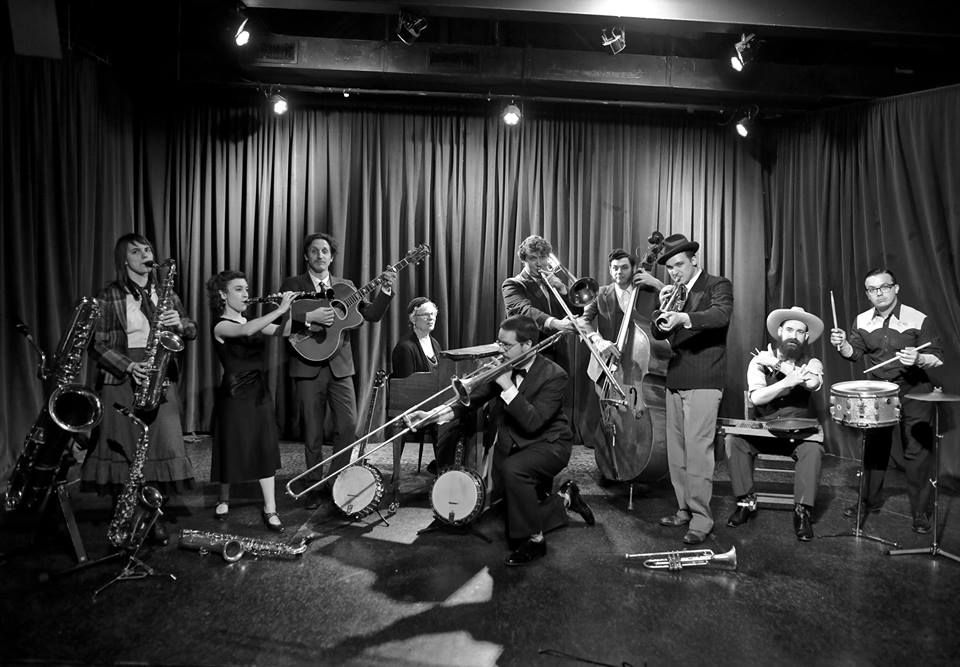
24.4. As part of the program of events at the WCHOF, on April 26th a concert of the Sidney Street Shakers - the Jazz heritage of St. Louis ....at 18h30 h local tiem /USD 10.- .
29.3. Interesting Geislingen throwback set offered in Collectors Exchange!
28.3. - New show on chess in Superhero comics at the WCHOF - see under Showboard!
24.2. The next German CCI congress will take place from the 27th till the 30th of July in Selb, Eastern Bavaria - details to follow.
23.2. Roberto Cassano's chess guidebook to Italy on final sale - details under New and interesting books!
23.2. On Feb. 19 and Feb. 20 the Chess Museum registered over 3.000 visitors!
23.2. The last remnants of Gareth William's chess collection are being auctioned off on March 2 at auctioneers Dominic Winter - please bid copiously! The bulk was sold at Christie's two years ago....
11.2. New biographies on the first Woman World Chess Champion Vera Menchik mentioned under New and interesting books
11.2. Grandmaster Juri Averbakh , the oldest living chess grandmaster, has reached the age of 95 on Feb. 8. Most heartfelt congratulations!
6.2. Marilyn Yalom, author of "The birth of the Chess Queen", will be giving a talk in the World Chess Hall of Fame in St.Louis, Mo. on March 8 at 18h30 - details on www.worldchesshof.com
3.2. On the 15.2. at 18h30, Larry List will give a lecture in the World Chess Hall of Fame on the background of the current exhibition "The imagery of chess" ....
21.1. Four essays or shows archived - can still be read in the three archives. Mysterious chess set posted for identification in Ever seen this?
12.1. The World Chess Hall of Fame runs almost daily programs for youngsters and grown-ups - plse check the WCHOF Agenda. Today at 19h00 local time - Dvorak string music!
10.1. Artistic Chess Set exhibition in Seoul, Korea announced under Showboard.
8.1. Tidied up the RECENT ENTRIES section....
6.1. Current Shows in the World Chess Hall of Fame (WCHOF) announced in Showboard - better late than never!
5.1. Lund Chess Academy is currently running another online book auction of 24 lots, ending Jan. 10...
3.1. Thomas Thomsen's photo essay on POW chess sets published!
1.1.2017 New collectors page - the Schaak Museum - entered in Links. J. van Reeij has kissed the old Picasa format Good Bye, and opted for a website proper - we hope others follow...independence is a precious thing....
21.12. Extremely rare Chess Bibliography from 1864 for sale in Collectors Exchange....
21.12. Three chess sets added in Recent Entries....
9.12. Results of Jaeger Collection online auctions published in Collectors News.
6.12. Results of the Waddingtons fixed auction published under Chess Opulence ...
5.12. Three Jaeger chess set auctions this week - details in Collectors News
4.12. Short report on the Chess Museum in Figueiró dos Vinhos, Portugal - published in Essays & Notes
3.12. Report on the iron chess set show in Altenburg published ...
1.12. New links added - GM Kevin Spraggett's titillating blog on sharp stuff in chess and elsewhere - in Links under Varia - plus the site of Leonid Golovko, a well known white Russian porcelain artist with a bevy of chess sets to his credit, under Links / Chess and Art
1.12. Grandmaster Mark Taimanov died on the 28th of November in a hospital in St. Petersburg/Russia, aged 90, after a prolonged stay of one and a half months. Obituaries have been published in
Chess Base (Dagobert Kohlmeyer)
Chess.com (Peter Doggers)
NY Times (Dylan Loeb McClain)
The Guardian (Leonard Barden)
The Telegraph (??? )
The Chess Improver (GM Nigel Davies)
Chess24.com (Colin McGourty, recommended!)
See also Wikipedia
and Chess In Translation (Misha NP)
18.11. A Silver chess set from Taiwan - details under Collectors News .
9.11. A new Page is the Showboard - exhibitions and shows to visit. The CCI Germany meeting in Altenburg ended on Sunday the 6th - report to follow, the invitation and programs are now removed to the CCI Archive.
6.11. CCI Germany Website is online!
2.11. Lund Chess Academy/Per Skjoldager starts another chess book aaution on their website - see Collectors News.
30.10. Original vz. reproduction - a new and original article published by Rick Knowlton
22.9. Amorous Chess - an erudite discussion of Evrard de Conty's medieval treatise by Barbara Holländer published as a special essay...do not miss it! Several other pieces archived in the Text Archive....
6.9. 10th Russian Chess Auction on ebay announced in Collectors News
6.9. Museum Mailbox updated....
30.8. Section for New books added ....
26.8. The Museum is in summer mode - but active! New clock entered under Recent Entries ..
28.6. Auction results for the Jaeger sale at Waddington's - June 20th - under Canadian Bonanza
published...
15.6. Details for the CCI meeting Germany in November listed under "Invitation " and "Program" - early booking is advised!
13.6. CCI Germany will have a Collectors Meeting in Altenburg south of Leipzig, from the 4.-6. of November 2016. Details to follow....
11.6.
African set listed under Recent Entries.
7.6.
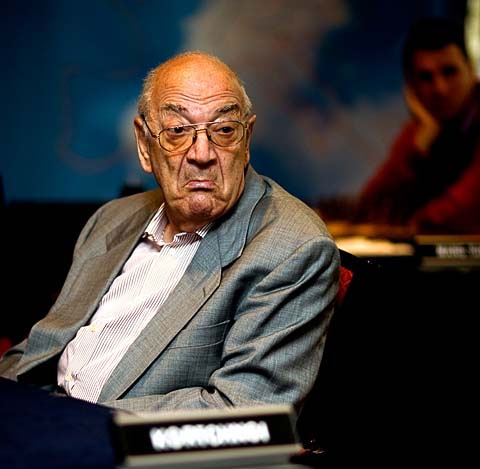
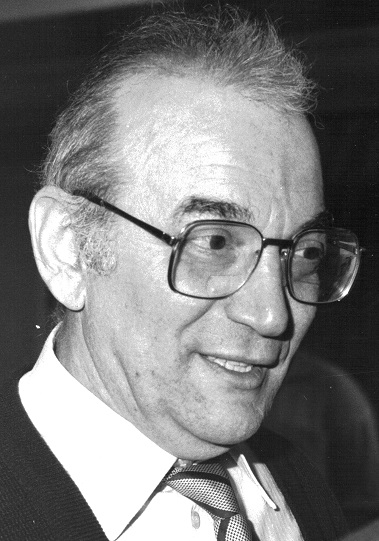
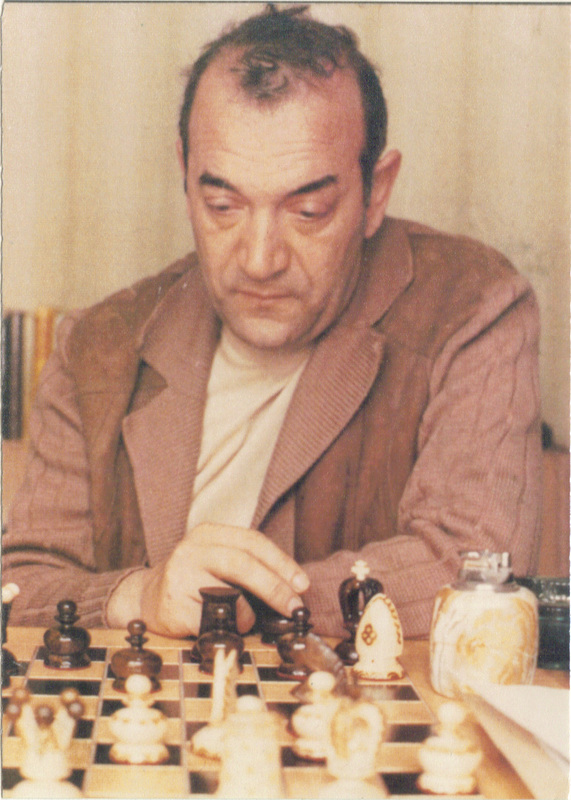
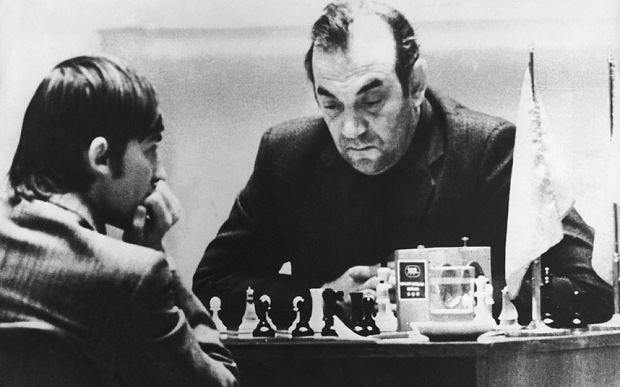
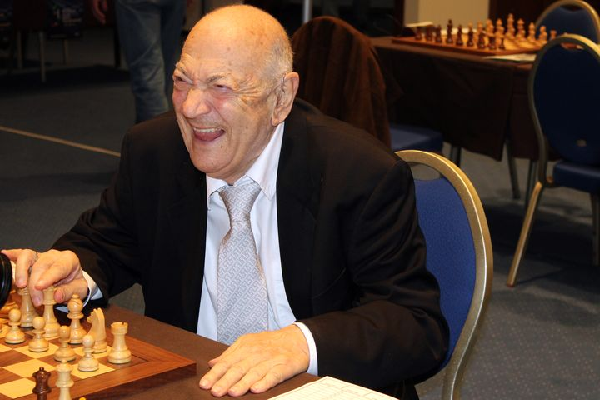
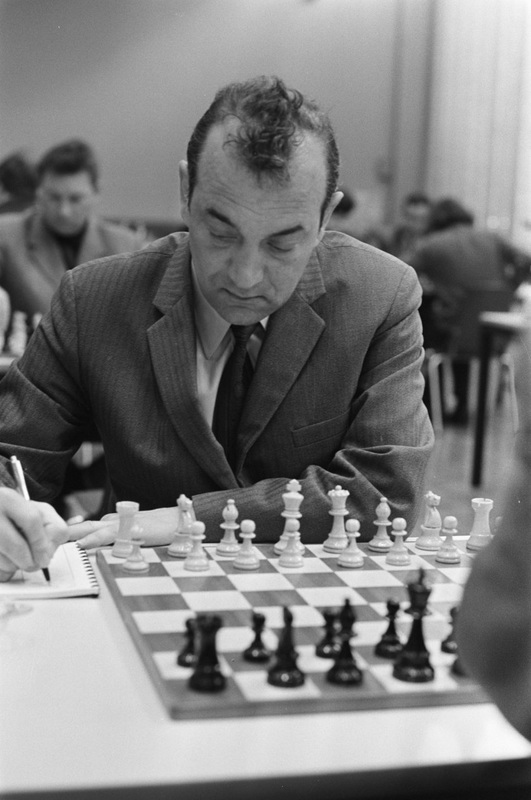
Grandmaster Victor Korchnoi (23.03.1931 - † 06.06.2016) - died yesterday in his home town in Wohlen, Switzerland. RIP !
Obituaries by Leonard Barden / The Guardian
Frederic Friedel - Chessbase
Dylan Loeb McClain in the New York Times
The Daily Telegraph
British Broadcasting Corporation (BBC)
Peter Doggers on www.chess.com
Spanish daily ABC
29.3. Interesting Geislingen throwback set offered in Collectors Exchange!
28.3. - New show on chess in Superhero comics at the WCHOF - see under Showboard!
24.2. The next German CCI congress will take place from the 27th till the 30th of July in Selb, Eastern Bavaria - details to follow.
23.2. Roberto Cassano's chess guidebook to Italy on final sale - details under New and interesting books!
23.2. On Feb. 19 and Feb. 20 the Chess Museum registered over 3.000 visitors!
23.2. The last remnants of Gareth William's chess collection are being auctioned off on March 2 at auctioneers Dominic Winter - please bid copiously! The bulk was sold at Christie's two years ago....
11.2. New biographies on the first Woman World Chess Champion Vera Menchik mentioned under New and interesting books
11.2. Grandmaster Juri Averbakh , the oldest living chess grandmaster, has reached the age of 95 on Feb. 8. Most heartfelt congratulations!
6.2. Marilyn Yalom, author of "The birth of the Chess Queen", will be giving a talk in the World Chess Hall of Fame in St.Louis, Mo. on March 8 at 18h30 - details on www.worldchesshof.com
3.2. On the 15.2. at 18h30, Larry List will give a lecture in the World Chess Hall of Fame on the background of the current exhibition "The imagery of chess" ....
21.1. Four essays or shows archived - can still be read in the three archives. Mysterious chess set posted for identification in Ever seen this?
12.1. The World Chess Hall of Fame runs almost daily programs for youngsters and grown-ups - plse check the WCHOF Agenda. Today at 19h00 local time - Dvorak string music!
10.1. Artistic Chess Set exhibition in Seoul, Korea announced under Showboard.
8.1. Tidied up the RECENT ENTRIES section....
6.1. Current Shows in the World Chess Hall of Fame (WCHOF) announced in Showboard - better late than never!
5.1. Lund Chess Academy is currently running another online book auction of 24 lots, ending Jan. 10...
3.1. Thomas Thomsen's photo essay on POW chess sets published!
1.1.2017 New collectors page - the Schaak Museum - entered in Links. J. van Reeij has kissed the old Picasa format Good Bye, and opted for a website proper - we hope others follow...independence is a precious thing....
21.12. Extremely rare Chess Bibliography from 1864 for sale in Collectors Exchange....
21.12. Three chess sets added in Recent Entries....
9.12. Results of Jaeger Collection online auctions published in Collectors News.
6.12. Results of the Waddingtons fixed auction published under Chess Opulence ...
5.12. Three Jaeger chess set auctions this week - details in Collectors News
4.12. Short report on the Chess Museum in Figueiró dos Vinhos, Portugal - published in Essays & Notes
3.12. Report on the iron chess set show in Altenburg published ...
1.12. New links added - GM Kevin Spraggett's titillating blog on sharp stuff in chess and elsewhere - in Links under Varia - plus the site of Leonid Golovko, a well known white Russian porcelain artist with a bevy of chess sets to his credit, under Links / Chess and Art
1.12. Grandmaster Mark Taimanov died on the 28th of November in a hospital in St. Petersburg/Russia, aged 90, after a prolonged stay of one and a half months. Obituaries have been published in
Chess Base (Dagobert Kohlmeyer)
Chess.com (Peter Doggers)
NY Times (Dylan Loeb McClain)
The Guardian (Leonard Barden)
The Telegraph (??? )
The Chess Improver (GM Nigel Davies)
Chess24.com (Colin McGourty, recommended!)
See also Wikipedia
and Chess In Translation (Misha NP)
18.11. A Silver chess set from Taiwan - details under Collectors News .
9.11. A new Page is the Showboard - exhibitions and shows to visit. The CCI Germany meeting in Altenburg ended on Sunday the 6th - report to follow, the invitation and programs are now removed to the CCI Archive.
6.11. CCI Germany Website is online!
2.11. Lund Chess Academy/Per Skjoldager starts another chess book aaution on their website - see Collectors News.
30.10. Original vz. reproduction - a new and original article published by Rick Knowlton
22.9. Amorous Chess - an erudite discussion of Evrard de Conty's medieval treatise by Barbara Holländer published as a special essay...do not miss it! Several other pieces archived in the Text Archive....
6.9. 10th Russian Chess Auction on ebay announced in Collectors News
6.9. Museum Mailbox updated....
30.8. Section for New books added ....
26.8. The Museum is in summer mode - but active! New clock entered under Recent Entries ..
28.6. Auction results for the Jaeger sale at Waddington's - June 20th - under Canadian Bonanza
published...
15.6. Details for the CCI meeting Germany in November listed under "Invitation " and "Program" - early booking is advised!
13.6. CCI Germany will have a Collectors Meeting in Altenburg south of Leipzig, from the 4.-6. of November 2016. Details to follow....
11.6.
African set listed under Recent Entries.
7.6.
Grandmaster Victor Korchnoi (23.03.1931 - † 06.06.2016) - died yesterday in his home town in Wohlen, Switzerland. RIP !
Obituaries by Leonard Barden / The Guardian
Frederic Friedel - Chessbase
Dylan Loeb McClain in the New York Times
The Daily Telegraph
British Broadcasting Corporation (BBC)
Peter Doggers on www.chess.com
Spanish daily ABC



7.6.
Short auction report for the recent Russian Chess House ebay auction in Collectors News
3.6.
First comments published to the Paris Report....
3.6.
Lund Academy Chess Book Auction announced in Collectors News - ending June 10!
31.5.
Report on the 17th CCI World Convention in Paris published, Report on Jura Chess Piece production pubished, ebay auction by Russian Chess House announced in Collectors News.
12.4. "Trier Potpourri" by Michael Negele published....
10.4. Marc Loost's essay on the genesis of the Staunton chess men published - this has been simultaneously printed in the CCI Magazine XXV, No.2, March 2016 - and can be downloaded here. Marc's earlier essay on the Jaques Status quo sets is still visible in the Text Archives....
4.3.
Very rare mother of pearl set listed for sale in the Museum Shop (31.5. - has been sold)
28.2. Two new chess auctions announced in Collectors News - Russian Chess House auction on ebay is running, Lund Chess Club auction to start March 1.
27.2. New Website in german language published....
the Schachmuseum !
26.2. Two new sections - Mailbag reports and public discussion of moot points - the old Questions & Answer section is downgraded to a rattlebag for loose pieces...
11.2. Agenda for 2016 updated, preliminary details for CCI World Meeting Paris in May published....
7.2. Obituary of Garrick Coleman published...
Short auction report for the recent Russian Chess House ebay auction in Collectors News
3.6.
First comments published to the Paris Report....
3.6.
Lund Academy Chess Book Auction announced in Collectors News - ending June 10!
31.5.
Report on the 17th CCI World Convention in Paris published, Report on Jura Chess Piece production pubished, ebay auction by Russian Chess House announced in Collectors News.
12.4. "Trier Potpourri" by Michael Negele published....
10.4. Marc Loost's essay on the genesis of the Staunton chess men published - this has been simultaneously printed in the CCI Magazine XXV, No.2, March 2016 - and can be downloaded here. Marc's earlier essay on the Jaques Status quo sets is still visible in the Text Archives....
4.3.
Very rare mother of pearl set listed for sale in the Museum Shop (31.5. - has been sold)
28.2. Two new chess auctions announced in Collectors News - Russian Chess House auction on ebay is running, Lund Chess Club auction to start March 1.
27.2. New Website in german language published....
the Schachmuseum !
26.2. Two new sections - Mailbag reports and public discussion of moot points - the old Questions & Answer section is downgraded to a rattlebag for loose pieces...
11.2. Agenda for 2016 updated, preliminary details for CCI World Meeting Paris in May published....
7.2. Obituary of Garrick Coleman published...
Garrick Coleman (1942 - 2016 +)

|
The Museum regrets to inform that Garrick Coleman, notable London chess set antiquarian and friend of many chess collectors, has deceased a few days ago after a prolonged illness. Obituary in extenso will follow....
|
11.1.2016
New Year, new adventures - and a new set shown under Recent Entries....
9.12.
Three new items in Collectors News - New Russian chess book auction on ebay - a short look on the totally refurbished french CCI website - and Cassano article now also in english on the Italian CC website!
28.11.
Two new items added under Recent entries....
19.11.
New set shown in Recent entries ....
16.11.
Once again, Per Skjoldager of the Lund Chess Academy is auctioning off a huge hoard of chess books old and new - see under Collectors News.
11.11. Article by Roberto Cassano on the Italia Chess Men published - the slightly different version in Italian is on CCI-Italia.it and can be downloaded there...
16.10. New link to the National Chess Museum of Italy under Links....
14.10. Report on the Italian CCI meeting in Octobre published
22.9.
Another - the 6th - massive book and magazine auction by the Moscow Chess House on ebay announced in Collectors News.
9.9.
Lund Chess Academy chess book auction - ends on 10.9.! - announced in Collectors News.
17.8.
Details for CCI Italy meeting in Como October 2015 listed - and an amber chess set offered in the Museum shop!
14.8.
Travel set listed under Recent entries.
12.8.
Russian Chess House auction on ebay announced in Collectors News - German CCI meeting details announced for Trier 2015.
25.7.
Summer times - few news except life is gorgeous and sun, beach and wind can make You dizzy with happiness....
Two links - Gerhard Radostics' sites on Chess Autographs and and Chess Postcards removed. Radostics died a few years ago, his collection has vanished, same as the widow. and the sites have died as well...
A new link added - Chess Posters by an US-based online poster shop.
11.6. Russian chess relics from Moscow's Russian Chess House back on ebay - see here.
21.5.
New clocks arrived , in Recent Entries... Agenda updated
9.5.
New set arrived and posted in Recent entries...
6.5.
Links added...
11.4.
Klittich June auction announced in Agenda and Collectors News ....
7.4.
New Link added for Dutch turner Jan Hovens - plus Agenda updated.
4.4.2015
Info on a sale of interesting Russian chess memorabilia by Murad Amannazarow of the Russian Chess House in Moscow posted under Collectors News !
17.3.2015
The Museum has been quiet lately, but not inactive. Today, some new sets posted under Recent Arrivals....
A request to collectors : if You find newsworthy items - special sets or other objects, auction gab, books, etc. - please send them along for publishing here!
